Exercise brief
Aim
Continuing to explore emphasis, you will be using cropping as a way of considering what is important about a composition, and how it might be altered to shift the focus. It can be an effective way of reframing a subject and perhaps looking at it in more detail. Cropping is a great way of working with previous studies that may not have been entirely satisfying or coherent, yet have aspects that work well.
Method
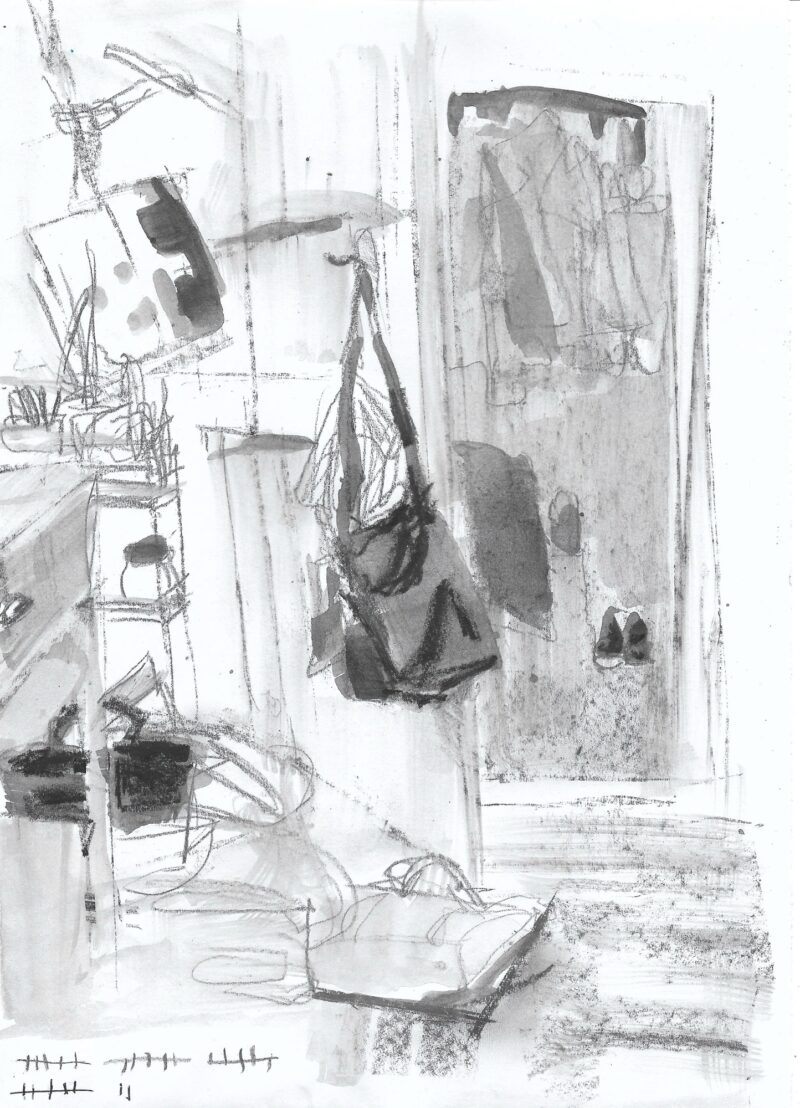
- Again, look through the sketches and studies you have made so far. Make a small viewfinder by cutting a rectangle or square inside a sheet of paper – or use two L-shaped pieces of card taped together to enable you to alter the proportions of the aperture. Alternatively, you could just place a sheet of paper over sections of your drawings, to block out areas. Immediately the reading of the drawing is altered and you might have a new focal point. Try this with lots of your drawings. How does the sketch of the front garden look when you cover over the path and hedge and all we see are the plant pots in the foreground? Could this make an engaging study? Or the corner of the room by the window – is there enough that is visually interesting if you remove the small desk?
- Once you find a composition that you would like to work with, make a study in your choice of media. You can work on any scale, but A3 might work well for this piece. Allow yourself 1-2 hours. Make another one if you like, it is a very useful process. You could also make a few quick sketchbook studies that explore compositions that you might develop later on.
Reflection
In what way was this exercise helpful in developing your understanding of what makes a composition interesting? Make any comments and reflections about what you discovered in the process.
Looking for a crop
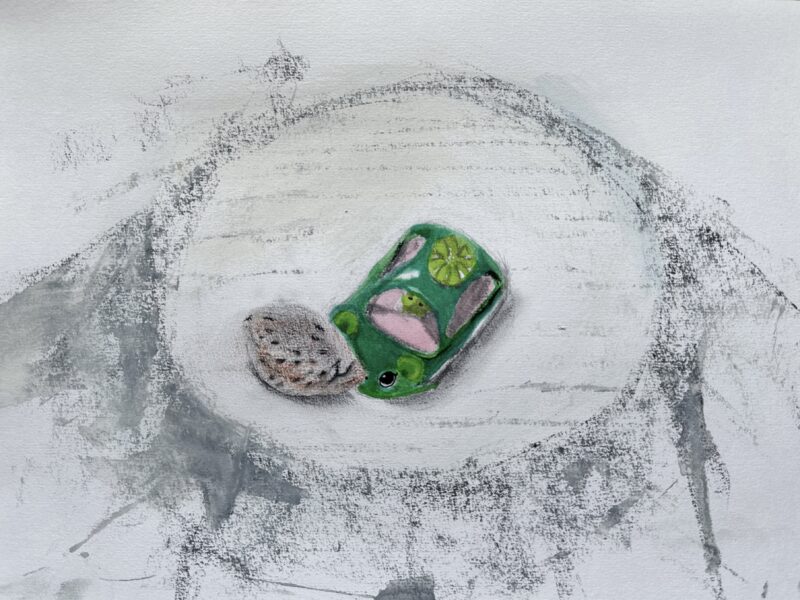
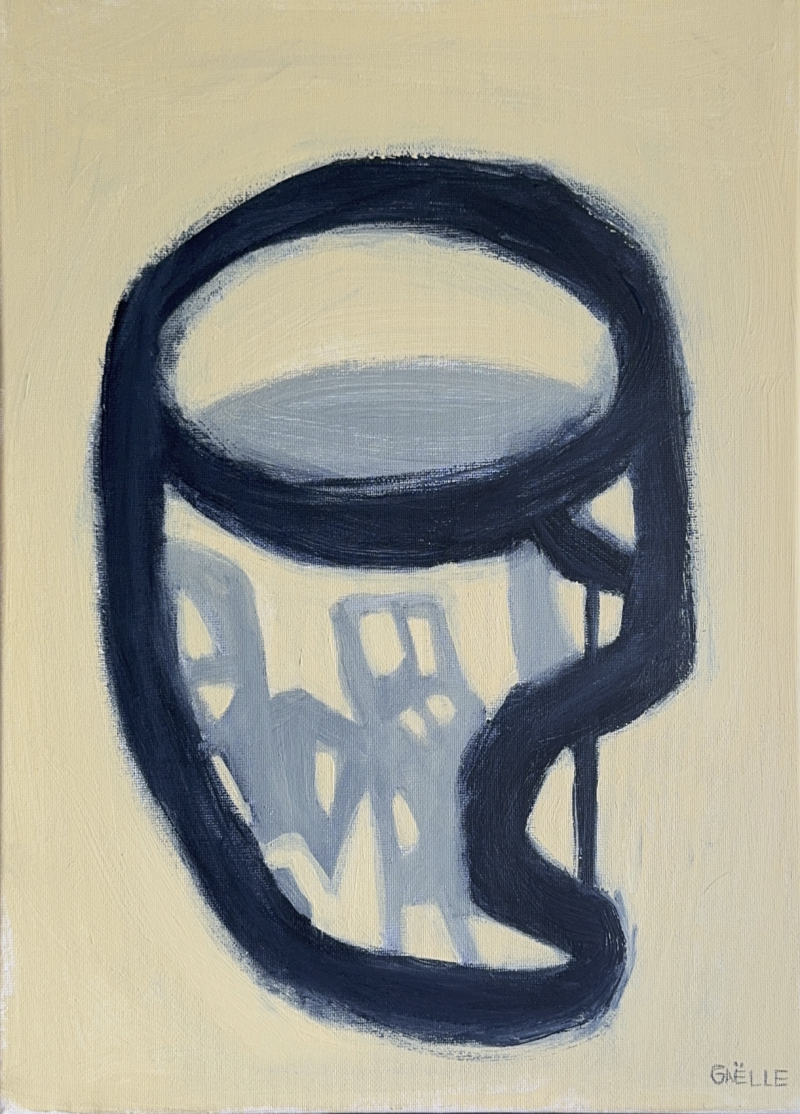
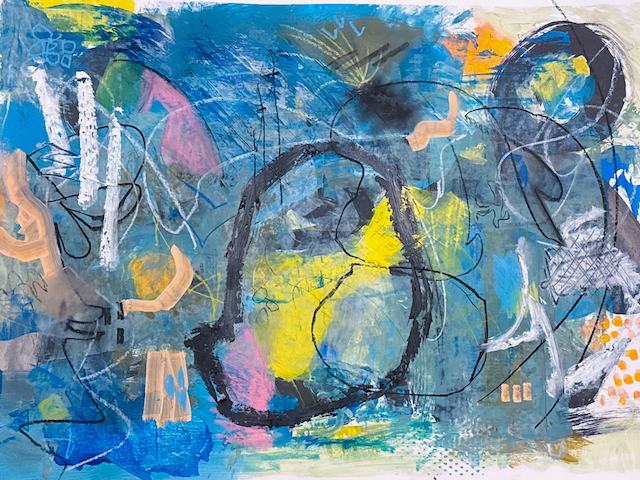
I find cropping works best for abstract composition where intuitive mark making can then be followed by a more thoughtful cropping.
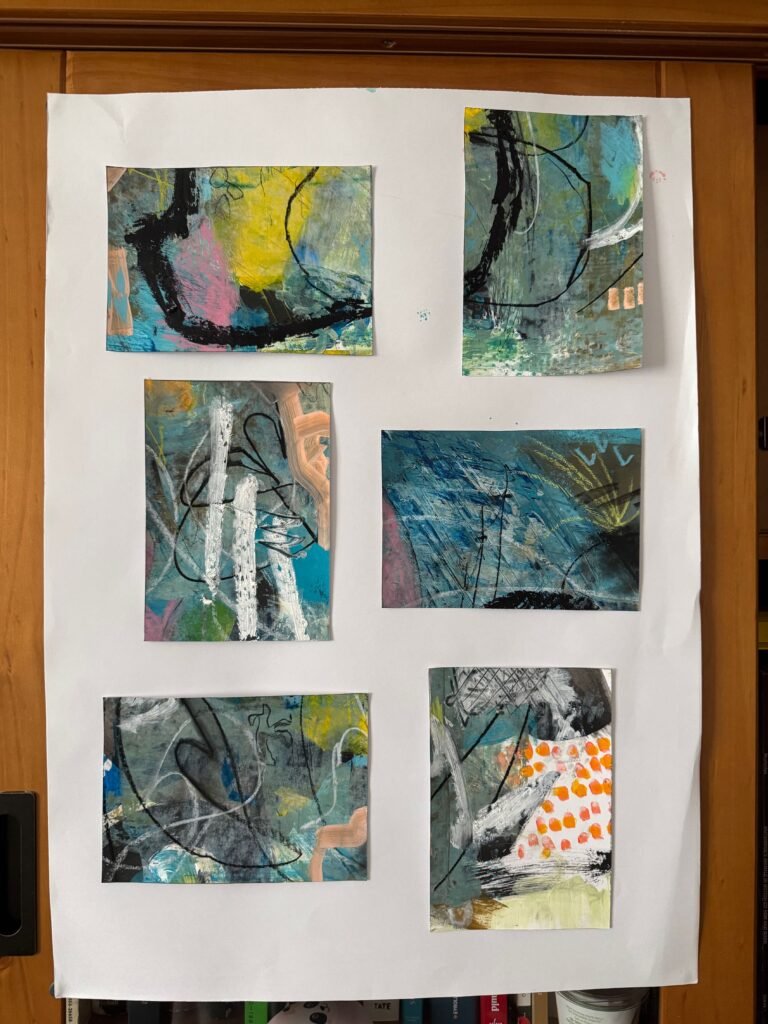
I did this for mark making in the past. Creating a large piece of abstract art and then cutting it up in smaller pieces (Study 1).
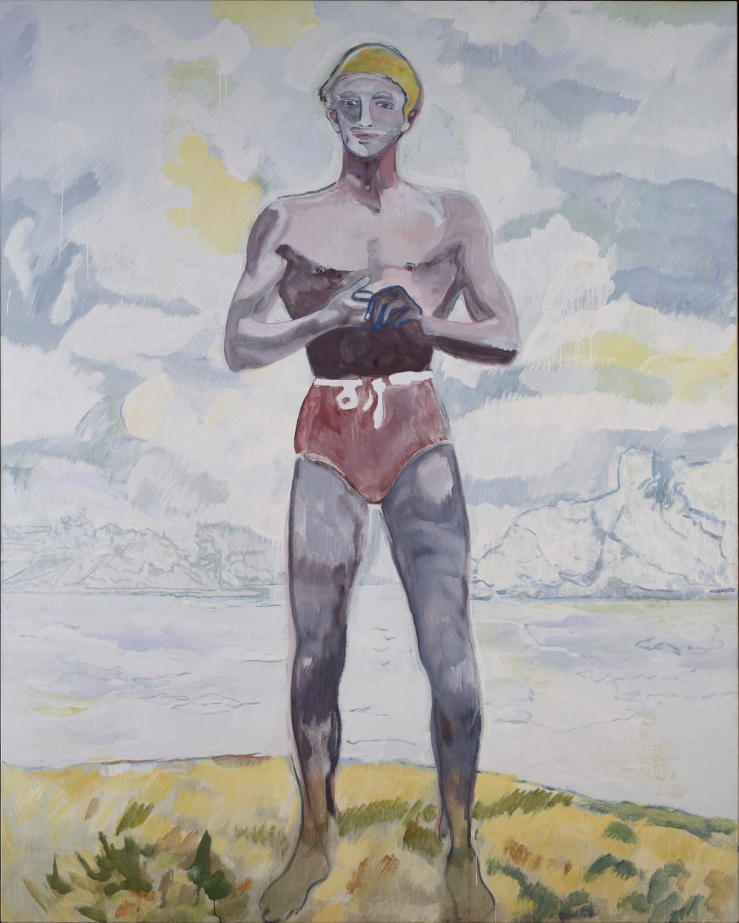
I also like to use photographs, crop them and then create an abstracted piece from it.
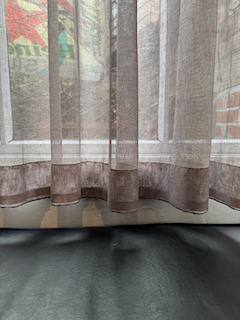
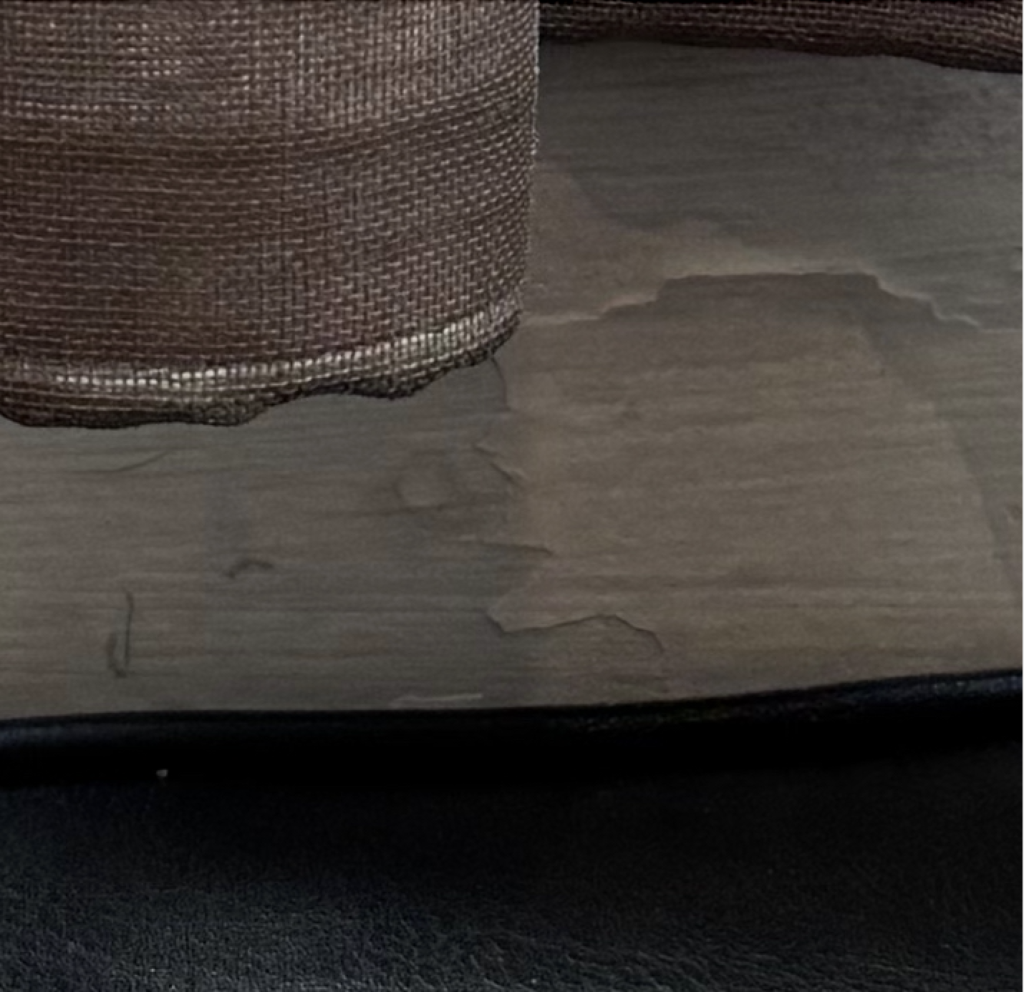
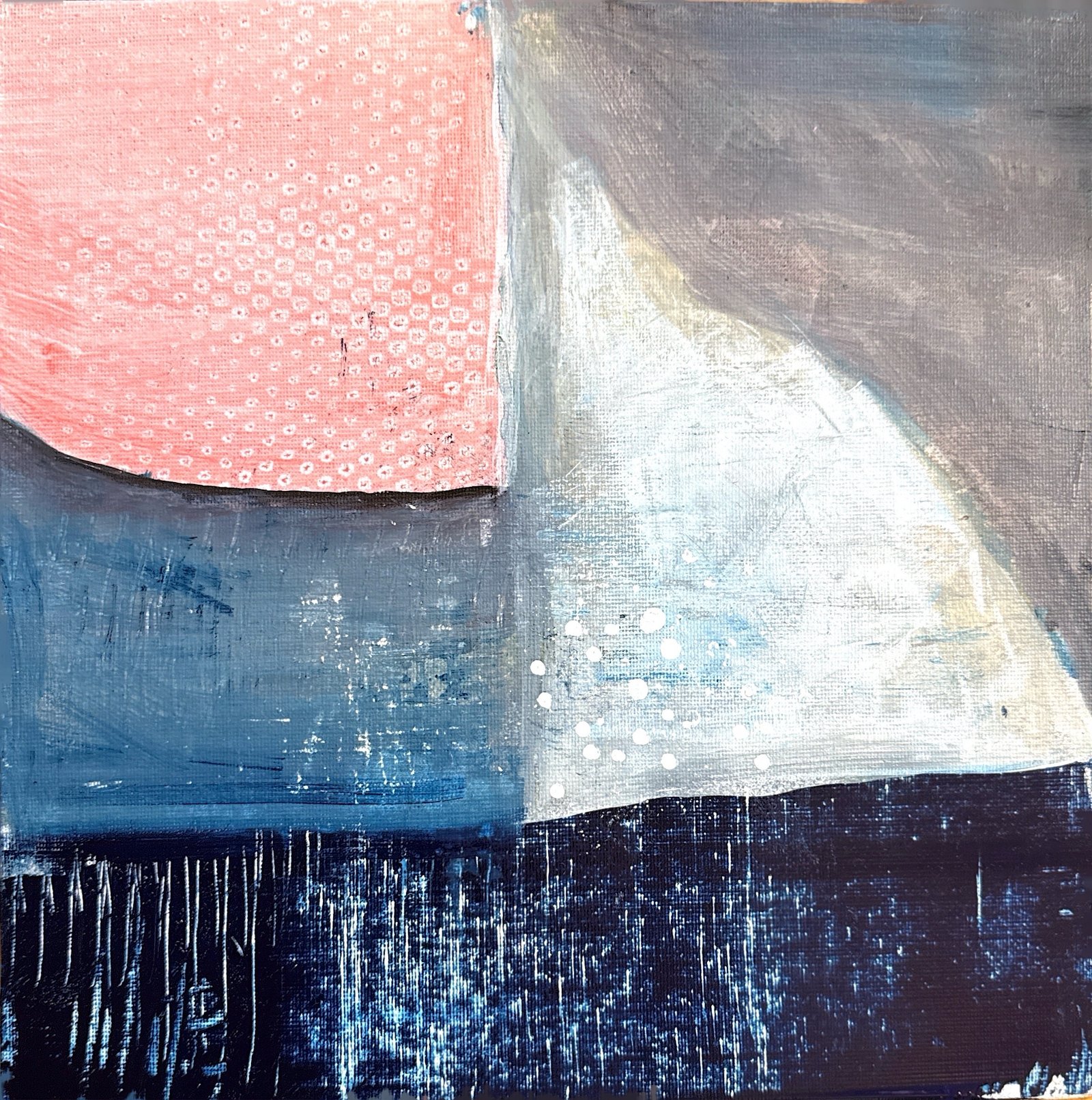
Reflections
While I enjoy making these, and I have made several of these types of studies. I find them quite relaxing (when I manage to quieten my inner critic!) but also difficult to evaluate. I think they are too remote from life as I experience it yet I’m quite fascinated by them.
Do they help me find out what makes a composition interesting? Perhaps. They help me think about contrast and value, colour interactions and mark making. I find I have an intuitive approach to composition balance and tend to err towards simple minimalist compositions. I think I find figurative painting more rewarding than abstract art and cropping and resizing things is something I do quite naturally in my photography practice. What I haven’t managed to do yet is bring the two together: my gestural mark-making work with my more detailed and refined figurative work.