On Tuesday 10th February, I met with Jane Frederick, my tutor for this unit. We reviewed my posts and discussed what a “good” drawing was. She shared a quote from her own tutor in Art School who said:
Aim to be bold, loose, and accurate in your drawings.
I liked this mantra. I can “see” that accuracy is key, at least to begin with, so that any deviation is intended rather than a lack of skills. But at the same time, I can also see that, without looseness, an accurate drawing will appear too technical. And finally, looseness and accuracy alone may feel too tentative so boldness of loose marks that are accurately placed is the ultimate goal, to be able to “put one line down and leave it.”
A second piece of advice was to ask myself explicit technical questions when I look at a piece of artwork I like, beyond the emotional or aesthetic experience.
Ask “how did they build this picture? What can I take from them, their approach, their technique?”
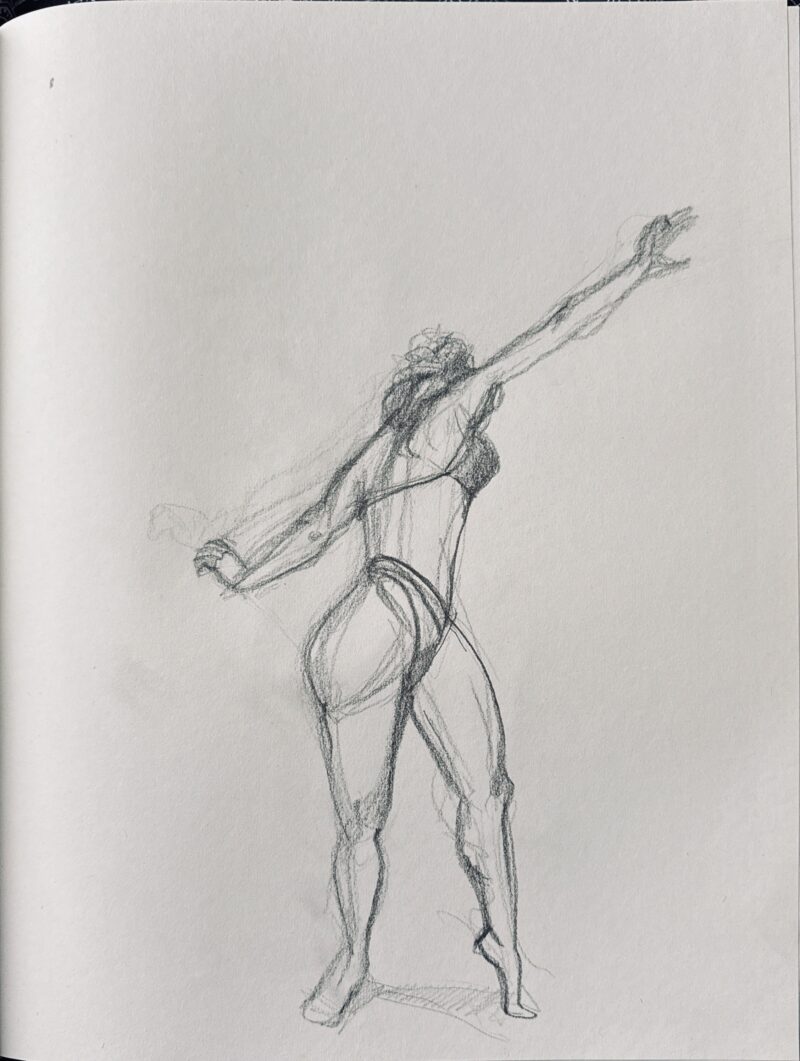
Then we discussed at my drawing from Exercise 2. She asked me how I think I could improve it. I was not sure what to say! I can now how the lines were visible and tentative, in short bursts and how this was perhaps betraying haste (which is ironic since I was telling myself I want to learn to take the time to see!)
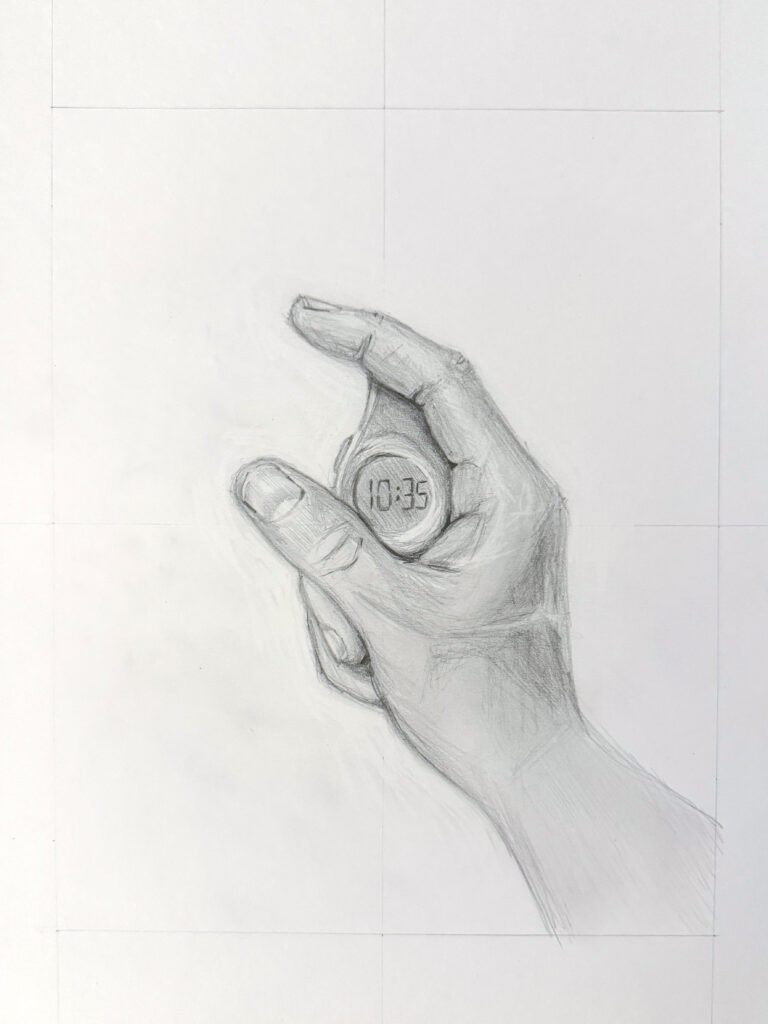
Start by looking, without drawing. Take 10 minutes, 30 minutes, one hour, a day! Look and decide what marks you will make.
I hadn’t thought about it in this way, but it was interesting to reflect on the fact that taking the time to draw can also start before I put pen to paper, simply by taking the time to look.
When you look, ask yourself “what is the range of tones? Where is the lightest tone I can see? Where is the darkest tone I can see? It’s unlikely that the darkest tone will be full black and the lightest tone will be full white.
I feel that’s my biggest challenge. I understand tones are relational too, so the same grey tone may appear lighter or darker depending on where it is placed. I’m not sure how to train for that. If I can’t see it, I can’t tell whether I’m good at it or not.
Be aware of the type of light you use and how it changes the tones. Choose how you act on that knowledge.
Again, that advice feels very cryptic. I feel blind to the tones and I don’t know how I learn to see them.
Moving forward
We agreed that I would prioritise my observation drawing, focussing on drawing, looking, light and tones, and trying a variety of scales and materials. Try using charcoal to tone the page, start by being free, use your energy and lock it in. Then look, focus on the light, your marks, and the tones.
I am set to go… Somehow writing about it is still easier than doing it. I feel I want to read more about it. I feel I want to follow more tutorials but then I feel frustrated with tutorials where I don’t feel I can translate what I learn from them in drawing what I want to draw. There is so much barriers we have to overcome before we get to master it. But I once read it used to take four years of intensive training as an apprentice, so there is no doubt about one thing: I won’t get anywhere if I don’t start working at it.
Further comments
After writing this I received written feedback from my tutor.
Give yourself permission to work playfully and enjoy the freedom and possibility that offers.
Practice drawing from observation as regularly as you can. Small sketchbook studies alongside larger scale drawings on loose pieces of paper will give you scope and freedom to experiment.
You can learn about an artist’s techniques and practical processesby unpacking their work as though you were making it alongside them. It can be interesting to imagine how they started, how the paint was applied, using which brush and onto what sort of support…
LO1: Use drawing processes and methods to explore a range of media and techniques.
Try working on different textured papers, heavyweight and light papers, rough and slippery surfaces. How do they differ, which do you enjoy most? Try and keep a record of the surfaces you use for future reference.
LO2: Apply drawing skills in the development and delivery of outcomes
The forms [of your drawings] could be developed further by focusing on the light source, direction and brightness and by being braver with the handling of light and shade.
LO3: Develop creative, practical, and research skills relevant to the creation and development of your personal practice.
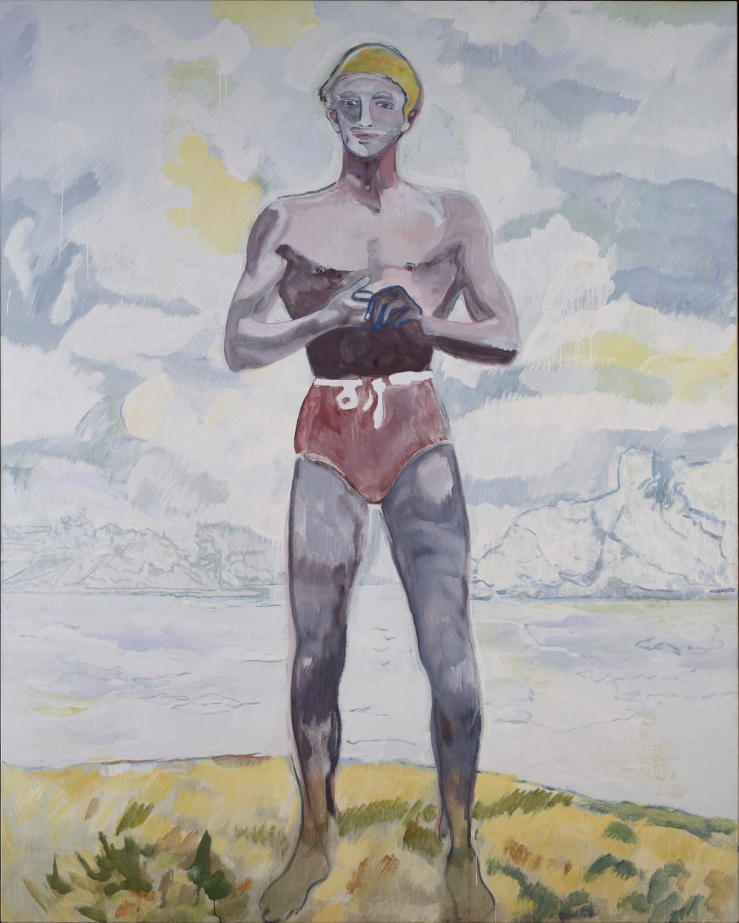
Your analysis of Thiebaud’s painting process is helpful and raises some useful questions about how he applied paint which you can try yourself.
You can learn about an artist’s techniques and practical processesby unpacking their work as though you were making it alongside them. It can be interesting to imagine how they started, how the paint was applied, using which brush and onto what sort of support… You mention how there is ‘clarity’ to his approach and an economical use of line, tone and colour. What practical things can you take from him?
In your reflections, you raise some interesting questions which can also be applied to your own working process.
LO4. Use reflective skills to explore a personal perspective on drawing within contemporary painting practices, debates, and your own practice.
Break down imagery (your own or others) by reflecting on tangible and process-based aspects. For example, specifically commenting on how the artist has practically explored tone, light direction, shapes, composition, mark making…
Write an informal narrative and as you get used to focusing on these aspects, they will eventually become a natural part of your reflective process and help you to the most out of analysing others’ work.
Action points
- Aim to practice your drawing as regularly as you can to get your eye in.
- Draw what you see rather than what you know.
- Prioritise looking at value and the full tonal range visible when you look at your subject matter.
- Spend just as much time looking at your subject matter as you do on the drawing itself.
- Use monochrome drawing media for a while. This will enable you to focus on drawing the tonal values and experiment with your mark making.