Artists selected: Paula Rego and Wayne Thiébaud
Both artists use the visual language of childhood, its objects, spaces, and aesthetics, to explore something more psychologically complex than nostalgia. I am drawn to this pairing because my own practice is moving towards playgrounds as subject matter: spaces designed for joy and freedom that carry, for the adult, a more ambivalent charge. Rego and Thiébaud approach that ambivalence from opposite directions, and I want to understand what that difference reveals.
Initial sense of the argument
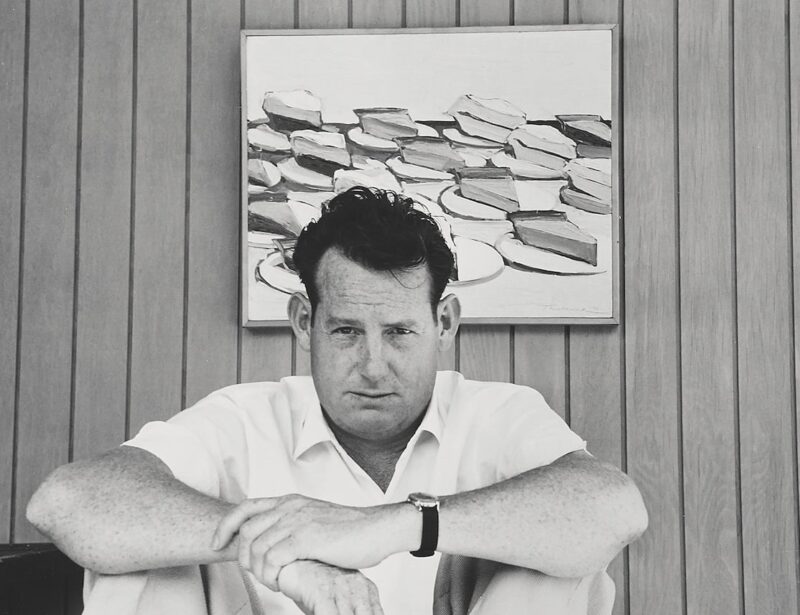
Thiébaud’s confectionery paintings present childhood pleasure as abundant and seductive, but the objects are isolated, lit with a theatrical intensity, and the colour, though luscious, produces a feeling of distance rather than warmth. You are looking at constrained, hindered happiness (e.g., the Penny Machines (1961) showcasing sweets in a glass bowl but without a handle). Rego’s work is more overtly unsettling: her figures occupy spaces associated with childhood innocence, nursery rhymes, domestic interiors, play, but power, threat, and the body intrude. Colour in Rego is saturated but does not comfort.
My provisional question: how do two artists working with the same subject territory use colour and composition to produce such different relationships between the viewer and childhood experience?
Evidence I plan to use
- Direct looking: I have attended a Thiébaud exhibition and completed a research piece on Rego during my foundation studies. Both artists are ones I can write from past encounters.
- Individual artworks: Thiébaud’s cake and confectionery paintings (1960s); Rego’s Nursery Rhymes series (1989) and Dancing Ostriches (1995).
- Artist interviews: Rego has spoken extensively about power, fear, and storytelling in her work. Thiébaud has discussed the relationship between observation, memory, and paint surface.
- Monographs and catalogues: I already have some from Thiebaud, I will search for sources as well as monographs and catalogues for Rego via the OCA library.
- Journals: I will search for critical writing on both artists, particularly anything addressing childhood, consumer culture, and psychological register.
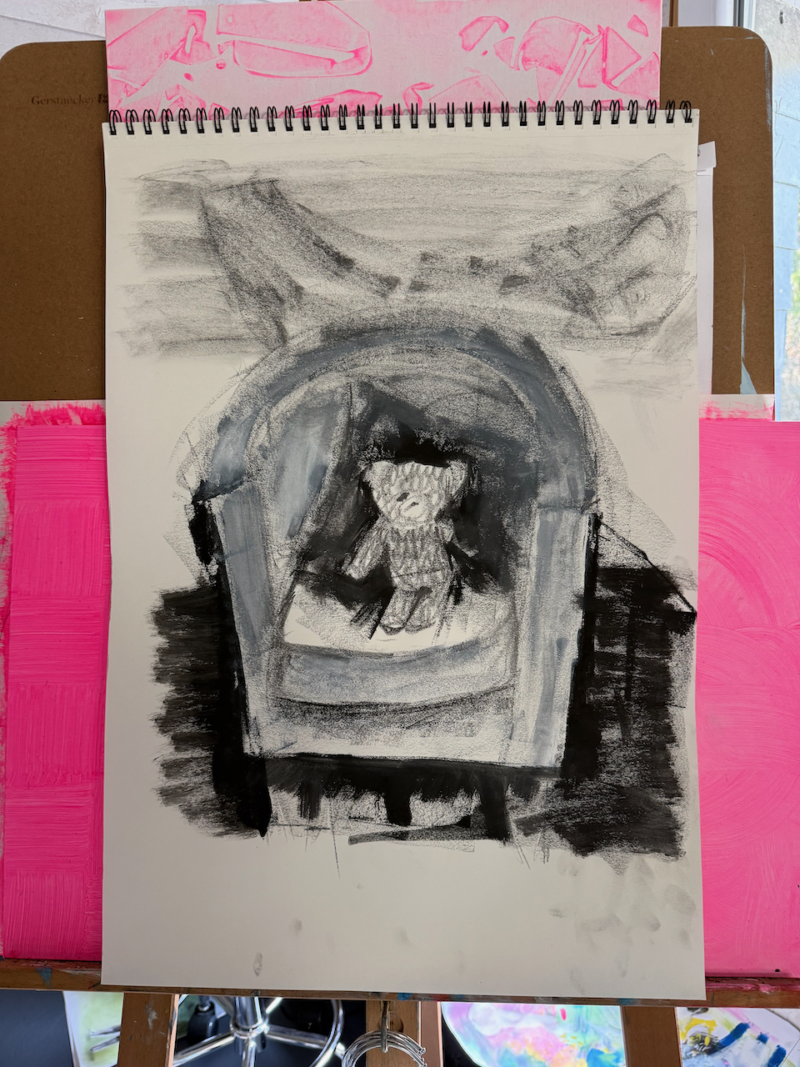
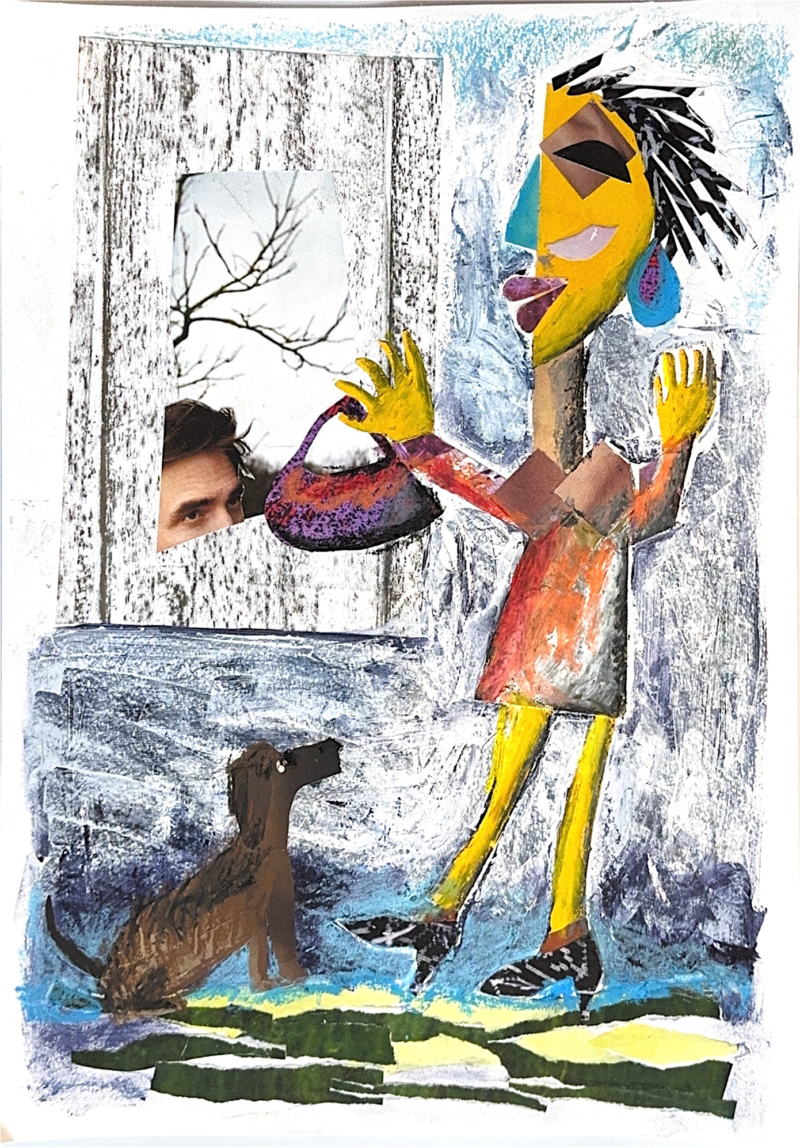
- Own practice: my response to playgrounds as a site where designed aesthetics and felt experience diverge.